What Are the Signs of Electrical Failure in Heavy Equipment?
The signs of electrical failure in heavy equipment include flickering instrument panels, slow or failed engine starts, blown fuses, burning smells, erratic sensor readings, and unexpected shutdowns. Catching these symptoms early can mean the difference between a quick repair and a costly breakdown that halts your entire operation on a Hunter Valley job site.
Why Electrical Issues Are So Common in Earthmoving Equipment
Heavy equipment operates in punishing conditions — vibration, dust, moisture, and extreme heat are a daily reality on Hunter Valley mine sites, construction zones, and rural properties. These environmental stresses wear down wiring harnesses, corrode terminals, and degrade insulation far faster than in a standard vehicle.
Add to that the sheer complexity of modern earthmoving machinery. Excavators, dozers, graders, and loaders now rely on sophisticated electronic control modules (ECMs), CAN bus networks, and multiple sensor arrays. When one component starts to fail, the effects ripple across the entire system.
Key Signs of Electrical Failure in Heavy Equipment
Knowing what to look for gives you the power to act before a minor fault becomes a major repair bill. Here are the most common warning signs your operators and site managers should watch for:
- Intermittent or flickering instrument cluster lights — Often caused by loose grounds, corroded connectors, or a failing alternator.
- Slow cranking or failure to start — Points to a weak battery, poor battery connections, or a faulty starter motor circuit.
- Repeatedly blown fuses — A strong indicator of a short circuit or overloaded circuit somewhere in the system.
- Burning smell or visible scorch marks — A serious red flag. Melted insulation or overheated wiring demands immediate attention.
- Erratic or frozen sensor readings — Temperature, hydraulic pressure, and fuel level sensors that behave unpredictably often point to wiring faults or ECM issues.
- Unexpected machine shutdowns — If your machine cuts out mid-operation, a failing charging system or a faulty safety interlock circuit is a likely culprit.
- Warning lights that won’t clear — Persistent fault codes, even after a reset, suggest an underlying electrical fault that needs professional diagnosis.
Charging System Problems: A Silent Threat
One of the most overlooked signs of electrical failure in heavy equipment is a degrading charging system. Your alternator is responsible for keeping batteries charged and powering electrical loads while the machine runs. When it starts to fail, you may notice dimming lights under load, batteries that drain overnight, or voltage readings outside the normal 13.8–14.4V range.
In Hunter Valley’s hot summer conditions, alternator and battery performance can drop significantly. Heat accelerates battery plate degradation and weakens the chemical reactions that generate charge. Regular load testing of both the battery and the charging system is a straightforward preventive step any experienced operator can add to their maintenance schedule.
Wiring Harness Damage and Corrosion
Wiring harness damage is extremely common in earthmoving equipment and is often the root cause of multiple electrical faults appearing at once. Abrasion from rubbing against metal components, rodent damage, and moisture ingress at connectors all degrade harness integrity over time.
Corrosion at terminal connections is particularly problematic. Even a thin layer of oxidation on a connector can introduce enough resistance to cause voltage drops, trigger false fault codes, and prevent components from operating correctly. Dielectric grease applied during routine servicing goes a long way toward preventing this.
For a full overview of the services available to keep your machines running, visit RAM Auto Electrical to see how the team supports Hunter Valley’s earthmoving industry.
ECM and Sensor Faults — Modern Equipment’s Weak Point
Modern heavy equipment relies heavily on electronic control modules to manage engine performance, hydraulics, and safety systems. When wiring faults introduce voltage spikes or signal noise, ECMs can log false fault codes or, in worse cases, suffer permanent damage.
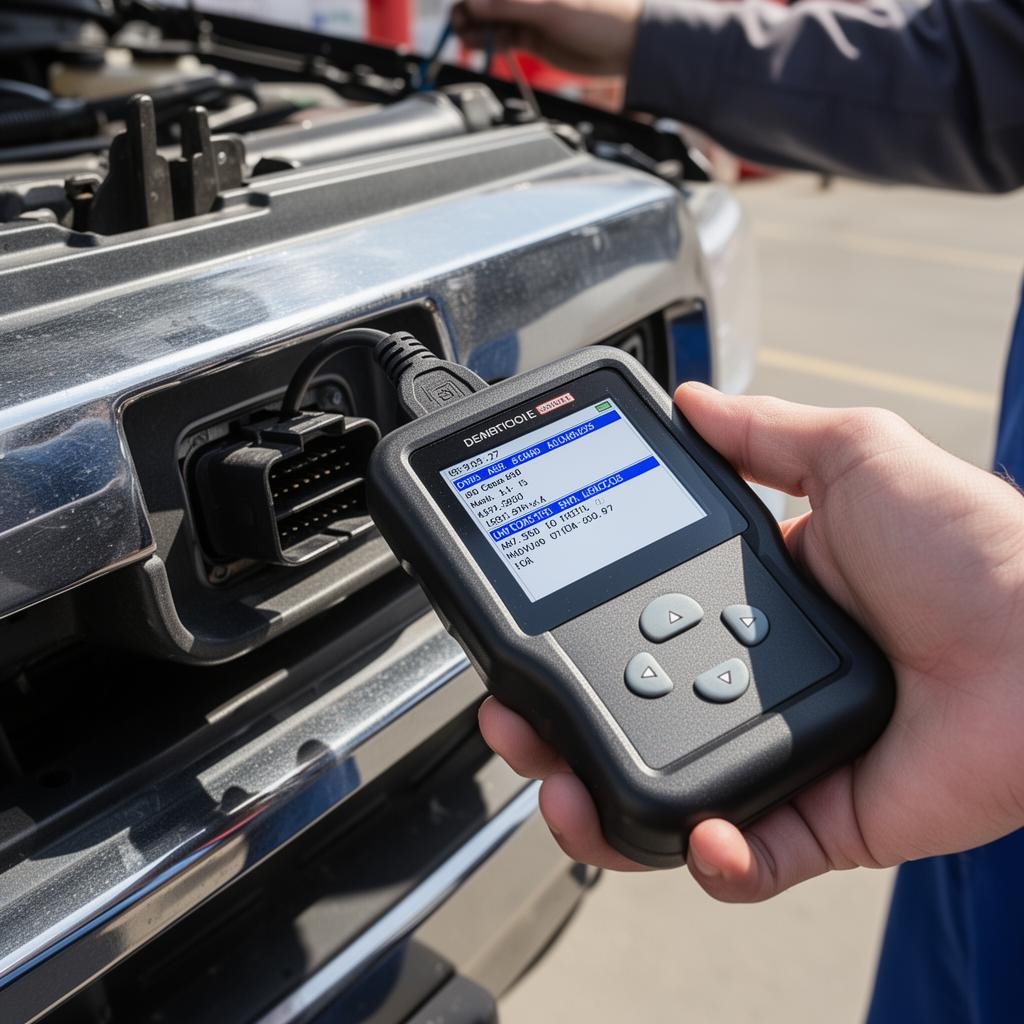
Sensor faults are similarly disruptive. A failing coolant temperature sensor, for example, may cause the machine to dereate or shut down unnecessarily, wasting valuable production time. Diagnosing these faults requires professional-grade scan tools capable of reading OEM-specific fault codes — not just generic code readers.
Preventive Maintenance: Your First Line of Defence
Preventing electrical failure is far more cost-effective than reactive repairs. A structured preventive maintenance programme should include:
- Regular visual inspection of wiring harnesses for chafing, cracking, or exposed conductors.
- Terminal cleaning and re-greasing at scheduled service intervals.
- Battery and charging system load testing every 250–500 hours of operation.
- Checking and tightening all earth straps — poor earthing is a leading cause of intermittent electrical faults.
- Reviewing fault code logs during each service, even when no warning lights are active.
Following the manufacturer’s recommended maintenance intervals, as outlined in your equipment’s operation and maintenance manual, is also essential for both safety and warranty compliance.
When to Call a Professional
Some electrical checks are well within the capability of a diligent operator or site mechanic. But when you’re dealing with persistent fault codes, wiring harness damage, charging system failures, or any issue involving the ECM, it’s time to bring in a qualified auto electrician with heavy equipment experience.
Attempting to repair complex electrical faults without the right diagnostic tools and training can cause further damage — and in some cases, create genuine safety hazards on site. RAM Auto Electrical specialises in earthmoving and heavy equipment electrical diagnostics across the Hunter Valley. The team carries OEM-compatible diagnostic equipment and has hands-on experience with the machines you rely on every day. Don’t let a small fault become a full machine-down situation — get in touch for an assessment.
Conclusion
Recognising the signs of electrical failure in heavy equipment early is one of the most valuable skills any Hunter Valley operator or fleet manager can develop. From flickering instruments and slow starts to burning smells and persistent fault codes, these warning signs are your machine’s way of telling you something needs attention.
Combine regular preventive maintenance with prompt professional diagnosis when faults arise, and you’ll protect both your equipment investment and your project timelines. When you need expert support, RAM Auto Electrical is ready to help keep your Hunter Valley fleet operational and safe in 2026 and beyond.
Frequently Asked Questions
What is the most common cause of electrical failure in heavy equipment?
The most common causes are corroded or loose wiring connections, damaged wiring harnesses, and failing batteries or alternators. These issues are often accelerated by the harsh operating environments typical of Hunter Valley mine sites and construction projects — including heat, dust, vibration, and moisture.
Can I diagnose heavy equipment electrical faults myself?
Basic checks — such as inspecting visible wiring, testing battery voltage, and checking fuse conditions — are within reach of most experienced operators. However, diagnosing ECM fault codes, tracing intermittent shorts, and testing charging system output accurately requires specialised diagnostic tools and training. For anything beyond basic visual checks, a qualified auto electrician is recommended.
How often should I have the electrical system on my earthmoving equipment inspected?
A thorough electrical inspection should be carried out at each major service interval — typically every 250–500 operating hours, or as specified in your machine’s operation and maintenance manual. High-intensity applications, such as continuous mine site operation, may warrant more frequent checks.
Are there Australian standards that apply to heavy equipment electrical systems?
Yes. Electrical safety on mine sites in New South Wales is governed by the Work Health and Safety (Mines and Petroleum Sites) Act 2013 and associated regulations. Equipment must be maintained in a safe condition, and electrical faults that pose a risk to operators must be rectified before the machine returns to service. Always ensure repairs are carried out by a suitably qualified tradesperson.