
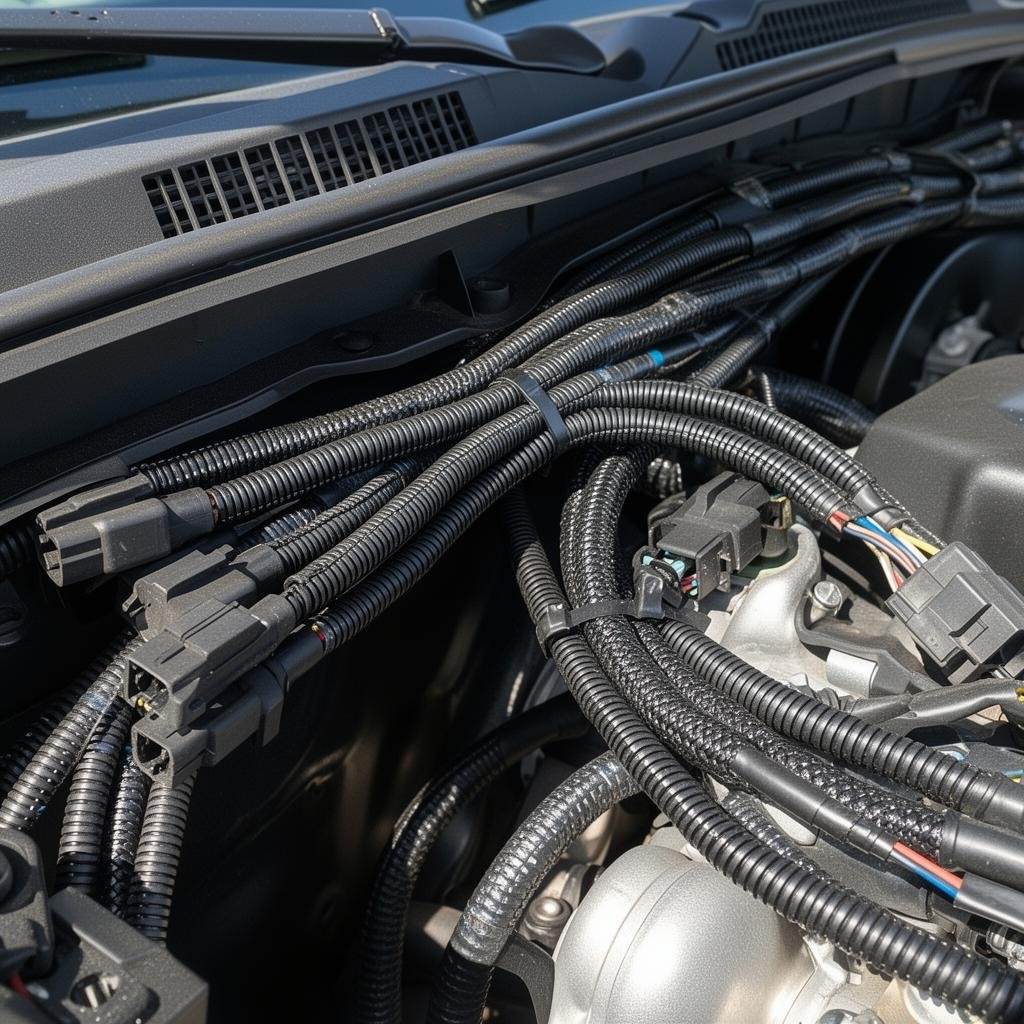
The Short Answer: Why Does a Starter Fail?
A starter motor fails when its internal components — brushes, solenoids, armatures, or field windings — wear out, overheat, or become damaged by electrical faults. In the Hunter Valley’s demanding conditions, heat, dust, and heavy workloads accelerate this process significantly, leaving your machinery stranded at the worst possible time.
What Does a Starter Motor Actually Do?
Your starter motor is the electrical workhorse responsible for cranking your engine into life. When you turn the ignition key or press the start button, a surge of current from the battery energises the solenoid, which engages the pinion gear with the flywheel ring gear and spins the engine over.
In agricultural machinery, mining equipment, and heavy vehicles common across the Hunter Valley, starter motors endure far more punishment than those in everyday passenger cars. That extra stress means premature failure is a genuine risk if maintenance is overlooked.
The Most Common Reasons Why a Starter Fails
Understanding the root causes helps you catch problems early and avoid costly downtime. Here are the most frequent culprits:
- Worn carbon brushes: Brushes transfer electrical current to the armature. Over time they wear down, reducing contact and causing weak or intermittent cranking.
- Faulty solenoid: The solenoid acts as both a relay and a mechanical actuator. A failing solenoid may click without engaging the starter, or fail to disengage after the engine fires.
- Overheating: Excessive heat — from prolonged cranking attempts, engine bay temperatures, or inadequate ventilation — degrades insulation on windings and damages internal components.
- Corroded or loose electrical connections: Poor connections increase resistance, forcing the motor to draw more current than it was designed to handle, accelerating wear.
- Contamination from oil or grease: Leaking engine seals can allow oil to penetrate the starter housing, causing short circuits and mechanical drag.
- Flywheel ring gear damage: If the ring gear teeth are chipped or worn, the pinion gear can’t engage cleanly, putting enormous stress on the starter each time you crank the engine.
- Battery and charging system issues: A weak battery forces the starter to work harder and longer, dramatically shortening its service life.
Hunter Valley Conditions That Accelerate Starter Motor Wear
The Hunter Valley presents a unique set of challenges for machinery electrical systems. Scorching summer temperatures, dusty vineyard tracks, and the constant demands of mining and agricultural operations all take a toll on starter motors that wouldn’t be an issue in a cooler, cleaner environment.
Machines that sit idle for extended periods — common during seasonal lulls on farms and vineyards — can develop corrosion on electrical contacts and battery terminals. Then, when you need that equipment most at the start of harvest or a big earthworks project, the starter motor is the first thing to let you down.
Regular inspections and proactive servicing are far cheaper than emergency call-outs during peak operational periods. For guidance on maintaining safe and compliant electrical systems in your machinery, visit RAM Auto Electrical’s website to learn more about their full range of services across the Hunter Valley.
Warning Signs Your Starter Motor Is About to Fail
Don’t wait until your machine won’t start at all. These early warning signs tell you trouble is on the way:
- Slow, laboured cranking — the engine turns over sluggishly, even with a fully charged battery.
- Clicking sounds without engine turnover — a single click often points to a faulty solenoid; rapid clicking usually signals a flat battery, but can also indicate a seized starter.
- Intermittent starting — the machine starts fine one day and refuses the next, a classic sign of worn brushes or a failing solenoid.
- Grinding noise on startup — suggests the pinion gear isn’t meshing cleanly with the ring gear.
- Smoke or burning smell — a serious sign of overheating or a short circuit inside the starter motor. Stop cranking immediately.
How to Prevent Starter Motor Failure
Prevention is always more cost-effective than replacement, especially when machinery downtime directly affects your income. Keep battery terminals clean and tight, and have your battery load-tested annually — a weak battery is one of the leading reasons why a starter fails prematurely.
Avoid excessive cranking attempts. If the engine doesn’t start within 10–15 seconds, stop and investigate the cause before trying again. Prolonged cranking overheats the starter motor rapidly and can cause irreversible damage to the windings.
Address oil leaks promptly. Even a slow seep from a front crankshaft seal can saturate the starter over time. Keeping your engine bay clean and dry goes a long way towards extending starter motor life. You should also ensure your machinery’s charging system — alternator, voltage regulator, and wiring — is functioning correctly, as overcharging and undercharging both contribute to starter wear.
When to Call a Professional
If you’re experiencing any of the warning signs above, or if your machinery simply refuses to start, it’s time to call in a qualified auto electrician. Starter motor diagnosis involves load testing, circuit resistance measurements, and component inspection that requires specialist tools and training.
Attempting to rebuild or replace a starter motor without the right expertise can result in incorrect fitment, damaged wiring looms, or voided warranties on late-model machinery. RAM Auto Electrical services farms, vineyards, mining operations, and construction sites throughout the Hunter Valley, providing on-site diagnostics and repairs to get your equipment back to work fast. Don’t let a failing starter cost you a full day’s production — call the team at RAM Auto Electrical before a small problem becomes a big one.
Conclusion
Understanding why a starter fails — from worn brushes and faulty solenoids to heat damage and corroded connections — puts you in a far better position to prevent costly breakdowns. Regular battery maintenance, prompt attention to oil leaks, and avoiding excessive cranking are simple habits that dramatically extend starter motor life.
The Hunter Valley’s tough operating conditions mean your machinery’s electrical systems deserve proactive care, not just reactive repairs. If you notice slow cranking, grinding noises, or intermittent starting, act early. Reach out to a qualified auto electrician and keep your equipment running reliably all year round.
Frequently Asked Questions
Why does a starter fail more often in hot weather?
Heat degrades the insulation on internal windings and accelerates wear on brushes and bearings. In the Hunter Valley’s summer temperatures, starter motors in machinery that cranks repeatedly throughout the day are particularly vulnerable. Ensuring adequate engine bay ventilation and avoiding prolonged cranking attempts helps manage heat-related wear.
Can a bad battery cause a starter motor to fail?
Absolutely. A weak or failing battery forces the starter motor to draw higher current for longer periods in order to turn the engine over. This extra load generates excess heat and accelerates wear on internal components. Having your battery professionally load-tested each year is one of the most effective ways to protect your starter motor.
How long should a starter motor last in agricultural or mining machinery?
In normal operating conditions, a starter motor can last anywhere from 80,000 to 150,000 start cycles. However, heavy-duty machinery in demanding environments like Hunter Valley farms and mines often sees far more frequent starts and harsher conditions, meaning real-world service life can be considerably shorter without regular maintenance and inspections.
Is it worth rebuilding a starter motor or should I replace it?
For older or specialist machinery where replacement units are expensive or hard to source, a professional rebuild — replacing brushes, bearings, and the solenoid — can be excellent value. For more common machinery, a quality replacement unit is often the more reliable and cost-effective choice. A qualified auto electrician can assess which option suits your specific situation and budget.