
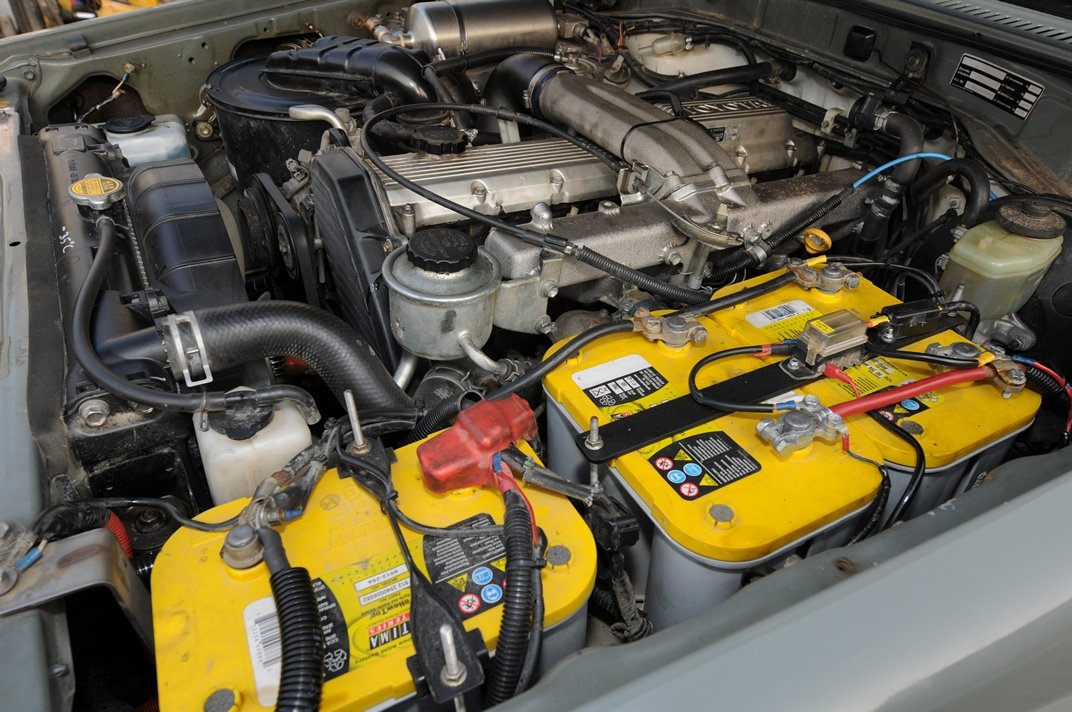
A dual-battery system allows caravans and 4WDs to run additional electrical equipment without draining the vehicle’s main starting battery. It works by charging a second battery while you drive and separating power supplies so accessories can operate safely when the engine is off.
For many Australian travellers, Dual-Battery Systems Work in Caravans and 4WDs by using a combination of batteries, charging equipment and protective components designed to support fridges, lights, communication devices and camping equipment. A properly installed setup provides dependable power for remote trips while protecting your vehicle’s ability to start.
What Is a Dual-Battery System and Why Is It Needed?
A standard vehicle battery is designed mainly for starting the engine. Once the engine starts, the alternator restores the charge, but it is not intended to continuously power accessories for extended periods.
A dual-battery setup adds a second battery dedicated to running electrical loads. This means you can use camping appliances and accessories without risking a flat starting battery.
Common accessories powered by an auxiliary battery include:
- Camping fridges and freezers
- LED lighting systems
- Portable power equipment
- In-car entertainment devices
- Communication systems
- Solar charging equipment
- Camping and touring accessories
For Australian 4WD owners and caravan travellers, having reliable auxiliary power can make remote travel safer and more convenient.
How Dual-Battery Systems Work in Caravans and 4WDs
The main purpose of a dual-battery system is to manage power flow between the vehicle’s starting battery, auxiliary battery and connected accessories.
When the engine is running, the alternator produces electricity. A charging device then directs power to the auxiliary battery while preventing it from draining the starter battery.
When the vehicle is switched off, accessories draw power from the secondary battery instead of the main battery. This separation ensures there is still enough power available to start the vehicle.
Most modern systems include components such as:
- Deep-cycle auxiliary battery: Designed to provide consistent power over longer periods.
- Battery isolator or DC-to-DC charger: Controls charging and prevents unwanted battery drain.
- Fuses and circuit protection: Helps protect electrical components from faults.
- Battery monitoring equipment: Allows you to track voltage and power usage.
Different Types of Dual-Battery Setups Available
Not every vehicle requires the same battery configuration. The right system depends on how you use your 4WD, caravan or touring setup.
Traditional Isolator Systems
Older dual-battery installations often use a battery isolator connected to the alternator. This system charges the second battery while the engine runs and disconnects it when the engine stops.
While reliable, it may not suit newer vehicles with smart alternators that adjust charging output.
DC-to-DC Charging Systems
Many modern vehicles benefit from DC-to-DC chargers. These systems regulate charging voltage and provide a more consistent charge to auxiliary batteries.
They are particularly useful for touring vehicles with advanced electrical systems, lithium batteries or additional accessories.
Solar-Assisted Dual-Battery Systems
Solar panels can be integrated into a dual-battery setup to provide additional charging when camping away from mains power.
This combination is popular among travellers who spend extended periods off-grid and need reliable energy management.
Choosing the Right Battery for Your Touring Setup
Selecting the correct battery is essential for performance and reliability. Different battery types offer different benefits depending on your travel requirements.
AGM Batteries
Absorbent Glass Mat batteries are commonly used because they are durable, vibration-resistant and require minimal maintenance.
Lithium Batteries
Lithium batteries are becoming increasingly popular due to their lighter weight, longer lifespan and ability to provide more usable capacity.
Deep-Cycle Batteries
Deep-cycle batteries are designed for repeated charging and discharging, making them suitable for powering accessories during camping trips.
Before choosing a battery, consider your expected power usage, available installation space and the equipment you want to operate.
Common Problems With Poorly Installed Dual-Battery Systems
A dual-battery system needs correct installation to perform safely. Poor wiring, incorrect charging equipment or inadequate protection can lead to electrical issues.
Some common problems include:
- Battery failing to charge correctly
- Excessive voltage drop
- Damaged electrical components
- Overloaded circuits
- Reduced battery lifespan
- Unexpected power loss during trips
Professional installation ensures the system is correctly matched to your vehicle and accessories. RAM Auto Electrical helps drivers create reliable electrical setups designed for real-world Australian touring conditions.
Safety Considerations and Australian Electrical Standards
Vehicle electrical modifications should always be completed with safety in mind. Correct cable sizing, secure mounting and appropriate circuit protection are essential parts of a reliable installation.
Australian automotive electrical work should follow recognised industry practices, including proper fuse protection and safe wiring methods. A professional technician can ensure components are installed correctly and reduce the risk of electrical faults.
Regular inspections are also recommended, especially before long-distance trips where access to repairs may be limited.
How to Maintain Your Dual-Battery Setup
A well-maintained system will provide better performance and a longer service life.
Simple maintenance steps include:
- Check battery terminals regularly for corrosion or loose connections.
- Monitor battery voltage levels during trips.
- Inspect wiring and protective covers for damage.
- Avoid exceeding your battery’s recommended capacity.
- Test charging equipment before major travel.
Taking care of your electrical system helps prevent unexpected failures and keeps your touring setup ready for your next adventure.
When to Call a Professional
If you are installing a new auxiliary battery, upgrading your caravan electrical system or experiencing charging problems, professional assistance can save time and prevent costly mistakes.
RAM Auto Electrical provides expert automotive electrical solutions for drivers needing dependable power systems, including dual-battery installations, charging upgrades and touring vehicle electrical improvements.
Contact RAM Auto Electrical to discuss your vehicle requirements and create a safe, reliable power solution for your next trip.
Conclusion
Understanding how Dual-Battery Systems Work in Caravans and 4WDs helps you choose the right equipment and avoid common electrical issues while travelling. A properly designed system provides reliable energy for accessories while protecting your vehicle’s starting power.
Whether you are planning weekend adventures or extended remote touring, the right electrical setup makes every journey easier. Speak with RAM Auto Electrical for professional advice and installation support to build a dependable dual-battery solution.
Frequently Asked Questions
How long does a dual-battery system last?
The lifespan depends on the battery type, usage patterns and maintenance. Many quality systems can provide several years of reliable service when correctly maintained.
Can I install a dual-battery system myself?
Some basic setups can be installed by experienced vehicle owners, but modern vehicles often require specialised charging equipment and correct wiring to avoid electrical problems.
Do caravans need their own dual-battery system?
Many caravans benefit from dedicated battery systems to power appliances, lighting and off-grid equipment without relying on external power sources.
Can solar panels charge a dual-battery system?
Yes, solar charging can be added to many systems to provide extra power when travelling remotely or camping without mains electricity.