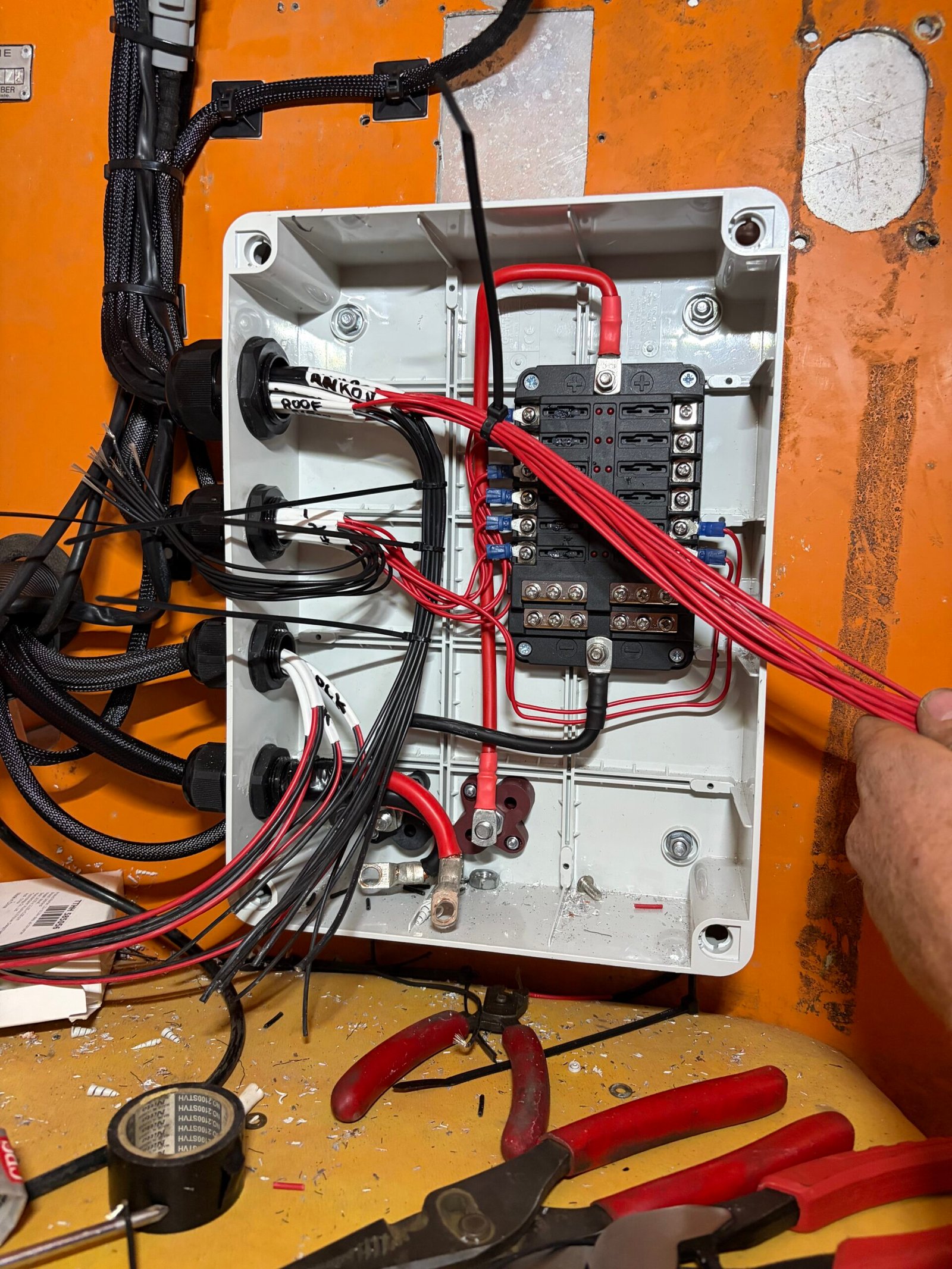
Common trailer wiring faults are usually caused by damaged wiring, poor connections, corrosion, faulty trailer plugs or grounding issues. Diagnosing these problems involves inspecting the wiring system, testing electrical connections and identifying where power is being lost.
Whether you tow a caravan, camper trailer, boat trailer or work trailer, reliable electrical connections are essential for safe operation on Australian roads. Trailer lights, brake systems and indicators all depend on correctly functioning wiring, and even a small fault can create safety concerns.
Understanding how these issues occur and how they are diagnosed can help you identify simple problems early and know when professional assistance is required.
Why Trailer Wiring Problems Are Common in Australia
Trailer wiring operates in a challenging environment. Unlike vehicle wiring, trailer electrical components are exposed underneath the trailer where they face moisture, road debris, dust, vibration and temperature changes.
Many trailers spend long periods parked outdoors, which increases the chance of corrosion affecting plugs, terminals and wiring connections. Regular towing, especially on gravel roads or coastal areas, can also accelerate wear and damage.
Some of the most common causes include:
- Corroded trailer plugs and sockets
- Loose earth or ground connections
- Damaged wiring insulation
- Broken wires caused by vibration
- Incorrect trailer wiring installation
- Faulty lights or electrical components
- Water damage around connectors
A trailer electrical system needs consistent power flow between the towing vehicle and trailer. When any part of this connection fails, symptoms can appear through lights, brakes or auxiliary systems.
Common Trailer Wiring Faults You May Experience
Recognising the warning signs early can prevent bigger electrical problems. Some faults are obvious, while others require testing equipment to locate.
Trailer Lights Not Working
One of the most common issues is trailer lights failing completely or partially. You may notice brake lights, indicators, tail lights or reverse lights are not operating correctly.
This can happen because of a failed globe, LED light module, damaged wiring or a poor connection inside the trailer plug. In many cases, the issue is not with the light itself but with the power supply reaching it.
Flickering or Dim Trailer Lights
Flickering lights often indicate an unstable electrical connection. A poor earth connection is a frequent cause because the electrical current cannot return properly to the towing vehicle.
Cleaning earth points, checking mounting locations and inspecting wiring connections can often identify this type of fault.
Trailer Brake Problems
Caravans and heavier trailers often rely on electric brake systems. If the brake wiring is damaged or the connection between the vehicle and trailer is unreliable, braking performance may be affected.
Brake controller faults, damaged brake wiring or incorrect trailer plug connections should always be investigated carefully because they directly affect towing safety.
Intermittent Electrical Failures
Some trailer wiring issues only appear while driving. Vibration and movement can cause loose connections to disconnect temporarily, making the fault difficult to reproduce when the trailer is stationary.
Common signs include:
- Lights working sometimes but failing later
- Indicators cutting in and out
- Trailer brakes activating inconsistently
- Electrical faults appearing after hitting bumps
These issues usually require a detailed inspection rather than a quick visual check.
How Trailer Wiring Faults Are Diagnosed
Professional diagnosis involves checking each part of the electrical system rather than replacing components unnecessarily.
At RAM Auto Electrical, technicians typically follow a structured process to locate the exact cause of trailer electrical issues.
The diagnosis process may include:
- Visual inspection
The wiring harness, trailer plug, lights and mounting points are checked for visible damage, corrosion or loose connections. - Testing the trailer plug
The connection between the towing vehicle and trailer is tested to confirm power is reaching the correct circuits. - Checking earth connections
Ground points are inspected because poor earthing can affect multiple trailer functions at once. - Testing wiring continuity
Electrical testing equipment can identify breaks or resistance issues hidden inside wiring insulation. - Inspecting components
Lights, brake systems, connectors and other electrical parts are tested to determine whether replacement or repair is needed.
Using the correct diagnostic approach helps prevent unnecessary repairs and ensures the underlying problem is fixed.
Trailer Plug and Wiring Maintenance Tips
Regular maintenance can reduce the likelihood of unexpected trailer electrical failures.
Before towing, it is worth checking:
- The trailer plug is clean and free from corrosion
- Wiring is secured away from moving parts
- Lights operate correctly before travelling
- Earth connections are tight and corrosion-free
- Trailer brakes respond correctly if fitted
Australian towing requirements emphasise the importance of correctly functioning lighting and braking systems. Trailer electrical components should be maintained according to manufacturer requirements and relevant vehicle standards.
When to Call a Professional
Some basic checks, such as cleaning a trailer plug or tightening an accessible connection, can be handled by many vehicle owners. However, more complex electrical faults require proper testing equipment and experience.
You should contact a qualified auto electrician if you experience:
- Repeated trailer wiring failures
- Brake system electrical problems
- Faults that appear while driving
- Damaged wiring harnesses
- Incorrect trailer plug wiring
- Electrical issues after modifications
RAM Auto Electrical provides professional trailer electrical services to help diagnose and repair wiring problems. Their experienced team can inspect trailer connections, identify faults and ensure your towing setup operates safely and reliably.
Conclusion
Common trailer wiring faults can range from simple connection problems to more complex electrical failures involving brakes, plugs and wiring systems. Regular inspections and early diagnosis can help prevent unexpected issues when towing.
By understanding the signs of electrical problems and maintaining your trailer connections, you can improve safety and reliability on Australian roads. If your trailer wiring continues to cause problems, contact RAM Auto Electrical for expert assistance and accurate fault diagnosis.
Frequently Asked Questions
What are the most common trailer wiring problems?
The most common trailer wiring problems include corroded plugs, damaged wiring, poor earth connections, faulty lights and loose electrical connections.
How can I check if my trailer wiring is faulty?
Start by checking whether all lights work correctly, inspect the trailer plug for corrosion and look for damaged wiring. A multimeter can help test electrical connections more accurately.
Why do my trailer lights keep flickering?
Flickering trailer lights are often caused by poor earth connections, loose wiring or corrosion affecting electrical contact points.
Can I repair trailer wiring myself?
Simple repairs such as cleaning connectors or replacing damaged plugs may be possible for some owners. However, brake wiring and complex electrical faults should be checked by a qualified auto electrician.