
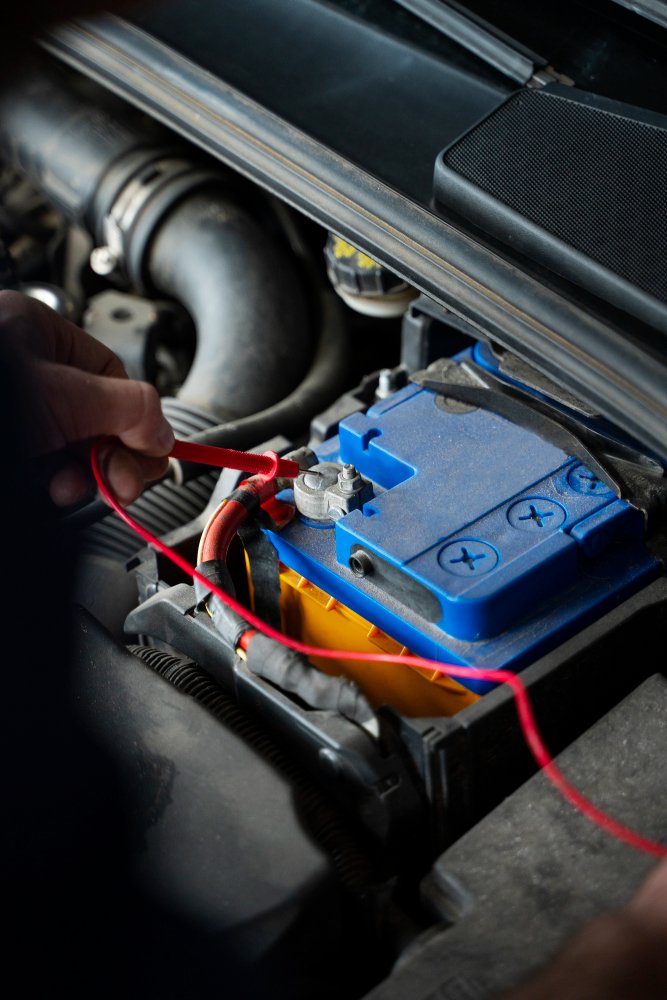
If your battery keep going flat overnight, the cause is usually a parasitic drain, weak battery, faulty alternator, poor connection, interior light left on, aftermarket accessory, or electrical fault. A car battery should not lose enough charge overnight to stop your vehicle from starting the next morning.
This problem is common across Australia, especially in vehicles with dash cameras, alarms, dual battery systems, phone chargers, light bars, trailers, or older wiring. It can be frustrating because the car may run fine during the day, then refuse to start after sitting overnight.
Ram Auto Electrical helps drivers find the real cause instead of guessing and replacing parts unnecessarily. The key is to test the battery, charging system, and current draw while the vehicle is switched off.
Why Your Battery Goes Flat While Parked
Your car still uses a small amount of power when parked. Systems like the clock, alarm, immobiliser, keyless entry, and engine control memory need a tiny electrical supply.
That is normal. The problem starts when something draws too much power while the vehicle is off. This is called parasitic drain, and it can leave your battery too weak to start the engine by morning.
If your battery keep going flat overnight, the issue may not be the battery itself. The battery might simply be losing charge because another component is staying active when it should be asleep.
Common Reasons a Battery Drains Overnight
Several faults can drain a battery while the vehicle is parked. Some are simple, while others need proper auto electrical testing.
Common causes include:
- Interior light, boot light, or glovebox light staying on
- Dash camera or GPS tracker drawing constant power
- Faulty alarm or immobiliser system
- Aftermarket stereo, amplifier, UHF radio, or light bar wiring issue
- Phone charger or accessory left plugged in
- Faulty relay staying switched on
- Alternator diode fault allowing reverse current drain
- Old battery no longer holding charge
- Loose, dirty, or corroded battery terminals
- Trailer plug or caravan wiring fault
A small light left on overnight can be enough to flatten a weak battery. In other cases, the drain is hidden and can only be found with a current draw test.
Could the Battery Be the Problem?
Yes, the battery itself may be the issue. Car batteries do not last forever, and many start to weaken after three to five years, depending on the vehicle, driving habits, heat exposure, and electrical load.
Australian heat can be tough on batteries. High temperatures can speed up internal wear, especially in vehicles parked outside or used for short trips. If your battery is old, it may charge during the day but lose strength quickly overnight.
Signs of a weak battery include:
- Slow cranking in the morning
- Clicking when you try to start the car
- Needing repeated jump-starts
- Battery warning light appearing
- Electrical systems acting strangely
- Battery case swelling or leaking
If the battery fails a load test, replacement may be the correct fix. However, if the battery tests well, the cause is likely somewhere else in the vehicle.
Could the Alternator Be Causing It?
The alternator charges the battery while the engine is running. If it is not charging correctly, the battery may never reach full charge, even after driving.
This can make it seem like your battery keep going flat overnight, when the real problem is poor charging during the day. You may notice dim headlights, warning lights, slow cranking, or the car cutting out while driving.
A faulty alternator diode can also drain the battery when the car is switched off. This type of fault is not always obvious, so proper testing is important.
Why Short Trips Can Make the Problem Worse
Short trips are a common cause of battery trouble. Starting the car uses a lot of power, and the alternator needs time to replace that charge.
If you only drive a few minutes at a time, the battery may slowly lose charge over several days. This is common for vehicles used for school runs, local errands, or stop-start city driving.
Using headlights, air conditioning, phone charging, heated seats, or accessories during short trips places even more load on the system. Over time, the battery may become too weak to start the vehicle after sitting overnight.
Simple Checks You Can Do First
Before booking a repair, you can safely check a few basic things.
- Make sure all doors are fully closed
- Check the boot, glovebox, and interior lights
- Remove phone chargers and plug-in accessories
- Turn off dash cameras or parking mode if fitted
- Check for corrosion around the battery terminals
- Look for warning lights on the dashboard
- Try starting the car after a longer drive
- Check whether the battery is more than three years old
These checks can help, but avoid disconnecting major wiring or pulling random fuses if you are unsure. Modern vehicles use sensitive control modules, and incorrect testing can create extra faults.
Why Aftermarket Accessories Often Cause Battery Drain
Many overnight battery problems come from accessories added after the vehicle was built. Dash cameras, stereos, work lights, inverters, fridges, trailer brake controllers, GPS trackers, and dual battery systems can all create unwanted drain if wired incorrectly.
This is especially common in utes, 4WDs, trade vehicles, caravans, and work vans. These vehicles often carry extra electrical equipment, so the battery and charging system need to match the load.
Ram Auto Electrical can inspect accessory wiring and check whether the system is drawing power when it should be off.
Why Professional Testing Matters
Guessing can become expensive. Replacing the battery may not solve the problem if the fault is a relay, alternator, wiring issue, or hidden parasitic drain.
A proper diagnosis may include:
- Battery load testing
- Alternator charging test
- Parasitic draw test
- Fuse and relay checks
- Earth cable inspection
- Scan tool checks for electronic faults
- Accessory wiring inspection
This approach helps find the actual cause of the drain. It also reduces the risk of repeated breakdowns, wasted money, and damage to electrical components.
Battery Keep Going Flat Overnight: When It Is Urgent
If your battery keep going flat overnight more than once, it is worth getting it checked soon. Repeated deep discharge can damage the battery and shorten its life.
It is also urgent if you notice burning smells, hot wiring, flickering lights, blown fuses, or accessories turning on by themselves. These signs may point to a more serious electrical fault.
If you rely on your vehicle for work, family transport, towing, or long-distance driving, do not wait until it leaves you stranded.
When to Call a Professional
Call a professional if the battery goes flat repeatedly, the vehicle needs regular jump-starting, the alternator warning light appears, or you cannot find anything left on overnight. You should also get help if your vehicle has aftermarket accessories, dual batteries, caravan wiring, or intermittent electrical faults.
Ram Auto Electrical can test your battery, alternator, parasitic drain, wiring, and accessories to find the cause properly. If your battery keep going flat overnight, contact Ram Auto Electrical for practical auto electrical support in Australia.
Conclusion
A flat battery in the morning does not always mean the battery is faulty. The cause may be parasitic drain, poor charging, old battery condition, faulty wiring, a stuck relay, or an accessory drawing power overnight.
Start with simple checks like lights, chargers, doors, and battery terminals. If the problem keeps happening, professional testing is the safest way to avoid guesswork.
When your battery keep going flat overnight, Ram Auto Electrical can help identify the fault and get your vehicle starting reliably again.
FAQ
Why does my car battery go flat when nothing is left on?
Something may still be drawing power in the background. Common causes include alarms, dash cameras, faulty relays, control modules, or hidden lights staying on.
Can a bad alternator drain a battery overnight?
Yes. A faulty alternator diode can allow current to drain while the car is off. The alternator may also fail to charge the battery properly while driving.
How long should a car battery last in Australia?
Many car batteries last around three to five years, but heat, short trips, heavy accessories, and poor charging can shorten their life.
Should I replace the battery if it keeps going flat?
Not always. Test the battery and charging system first. If the battery is healthy, the real problem may be an electrical drain or alternator fault.