
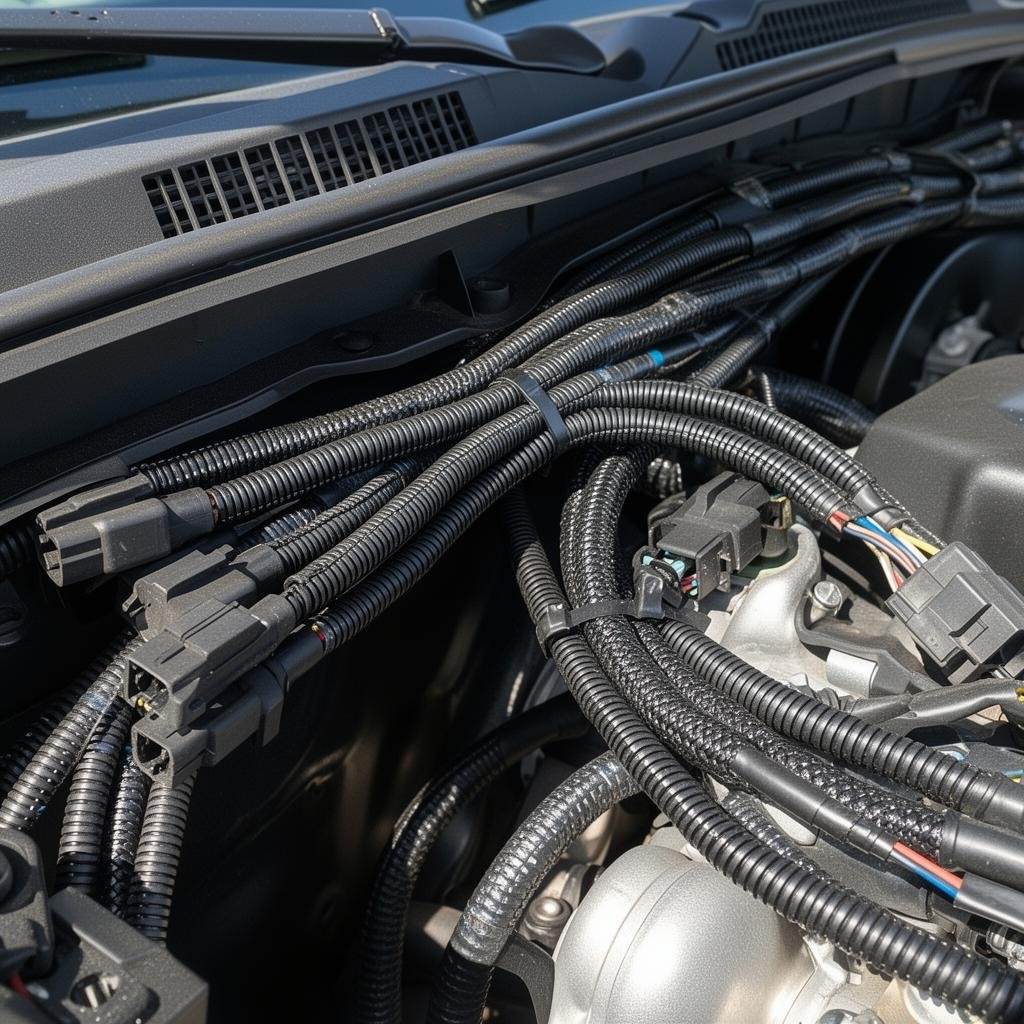
Why Does Your Car Battery Keep Dying?
If you’re dealing with a car battery that keeps dying, you’re not alone — it’s one of the most common auto electrical complaints we hear from Hunter Valley drivers. A flat battery is more than an inconvenience; it’s a sign that something in your vehicle’s electrical system needs attention. The good news is that many causes are identifiable and fixable without spending a fortune.
In most cases, a repeatedly flat battery points to one of three culprits: a failing battery, a faulty charging system, or a parasitic electrical drain. Understanding which one you’re dealing with is the first step toward a lasting fix.
Common Causes of a Car Battery That Keeps Dying
Before you rush out and buy a new battery, it’s worth diagnosing the root cause. Replacing the battery when the real problem lies elsewhere means you’ll be back to square one within weeks.
1. An Ageing or Faulty Battery
Most car batteries have a lifespan of three to five years. Hunter Valley’s warm summers put significant stress on battery cells, accelerating deterioration. If your battery is more than four years old and struggling to hold a charge, it’s likely time for a replacement.
2. Alternator Problems
Your alternator is responsible for recharging the battery while the engine runs. If it’s not outputting sufficient voltage — typically between 13.8 and 14.4 volts — your battery will slowly drain even while driving. A failing alternator is a very common reason for a car battery that keeps dying, and it’s often misdiagnosed as a battery issue.
3. Parasitic Battery Drain
A parasitic drain occurs when an electrical component continues drawing power after the ignition is switched off. This could be anything from a faulty interior light relay to an aftermarket accessory wired incorrectly. Even a small drain of 50–100 milliamps overnight can flatten a battery within days.
4. Corroded or Loose Battery Terminals
Corrosion on battery terminals creates resistance that interferes with both charging and discharging. You’ll often see a white or bluish powdery buildup around the terminal connections. Loose terminals can also cause intermittent electrical faults that mimic a dying battery.
5. Short Trips and Infrequent Use
If you only drive short distances around Cessnock, Maitland, or the surrounding Hunter Valley region, your alternator may not have enough time to fully recharge the battery between trips. Vehicles left sitting for extended periods face the same problem.
How to Fix a Car Battery That Keeps Dying — Step-by-Step
Here’s a practical approach to diagnosing and resolving the issue before calling in a professional:
- Test the battery voltage: Use a multimeter to check the resting voltage. A healthy battery should read around 12.6 volts when the engine is off. Anything below 12.2 volts indicates a discharged or failing battery.
- Check the alternator output: With the engine running, measure the voltage across the battery terminals. It should read between 13.8 and 14.4 volts. Lower readings suggest an alternator fault.
- Inspect the terminals: Remove the battery cables and clean any corrosion using a mixture of bicarbonate of soda and water. Reconnect and tighten the terminals securely.
- Perform a parasitic drain test: With the vehicle off and all accessories disabled, place a multimeter in series between the battery negative terminal and the cable. A reading above 50 milliamps suggests a parasitic draw. Pull fuses one at a time to isolate the faulty circuit.
- Use a quality battery charger: If the battery is discharged but still healthy, a smart charger can restore it fully. Avoid rapid charging, which can damage battery cells.
- Consider driving longer routes: If short trips are the culprit, try taking a longer drive at least once a week to allow the alternator to fully recharge the battery.
- Replace the battery if necessary: If the battery fails a load test or is over four years old, replacement is the most cost-effective long-term solution.
Choosing the Right Replacement Battery
Not all batteries are created equal. Always replace your battery with one that matches or exceeds the original equipment specification — check your owner’s manual for the correct cold cranking amps (CCA) and reserve capacity (RC) ratings. For Hunter Valley’s climate, a battery with a higher CCA rating will handle both cold winter mornings in the Upper Hunter and hot summer days more reliably.
If your vehicle has stop-start technology or a high electrical load from accessories, you may require an AGM (Absorbent Glass Mat) battery rather than a standard flooded lead-acid unit. Using the wrong type can lead to premature failure and ongoing charging issues. You can find more information about vehicle electrical standards through the Australian Government’s vehicle standards resources.
Preventing Future Battery Problems
Once you’ve resolved the immediate issue, a few simple habits will extend your battery’s life considerably. Have your battery and charging system tested annually — many auto electrical workshops offer this as a quick, low-cost service. Keep terminals clean and free of corrosion, and avoid leaving lights or accessories running with the engine off.
For more information about our auto electrical services, visit the RAM Auto Electrical website to see how we can help keep your vehicle running reliably year-round.
When to Call a Professional
Some battery and electrical faults are straightforward enough to handle yourself, but others require specialised diagnostic equipment. You should contact a qualified auto electrician if:
- Your battery continues to go flat after replacement
- You can’t isolate a parasitic drain using basic testing
- Warning lights related to the charging system appear on your dashboard
- You suspect an alternator or voltage regulator fault
- Electrical gremlins are affecting multiple systems in your vehicle
The team at RAM Auto Electrical are experienced Hunter Valley auto electricians who can accurately diagnose charging system faults, perform load testing, and identify parasitic drains using professional-grade equipment. Don’t waste money on guesswork — get a proper diagnosis and a fix that lasts.
Conclusion
Knowing how to fix a car battery that keeps dying starts with understanding the root cause. Whether it’s an ageing battery, a failing alternator, corroded terminals, or a hidden parasitic drain, most issues are solvable with the right approach. Hunter Valley drivers can tackle some of these steps themselves, but persistent or complex faults are best left to a qualified professional.
If your battery keeps letting you down, don’t wait until you’re stranded. Reach out to RAM Auto Electrical for reliable, expert auto electrical service right here in the Hunter Valley — and get back on the road with confidence.
Frequently Asked Questions
How do I know if it’s my battery or my alternator causing the problem?
A simple way to tell the difference is to test the voltage across your battery terminals with the engine running. If the reading is below 13.8 volts, the alternator likely isn’t charging properly. If the voltage is normal but the battery still goes flat overnight, the battery itself or a parasitic drain is more likely the cause.
How long should a car battery last in the Hunter Valley?
Most batteries last between three and five years under normal conditions. However, Hunter Valley’s hot summers can shorten battery life, as heat accelerates the chemical breakdown inside battery cells. Regular annual testing helps you replace the battery before it fails unexpectedly.
Can I fix a parasitic battery drain myself?
Yes, in many cases. Using a multimeter, you can measure the current draw with the car off and then pull fuses one at a time to identify the faulty circuit. However, if the drain is intermittent or difficult to isolate, a professional auto electrician with advanced diagnostic tools will be able to find it much faster.
Is it safe to jump-start my car repeatedly?
Occasional jump-starting is fine, but doing it repeatedly puts strain on both the battery and the vehicle’s sensitive electronics. It’s a short-term solution, not a fix. If you’re jump-starting your car more than once a week, it’s time to have the battery and charging system properly assessed.