
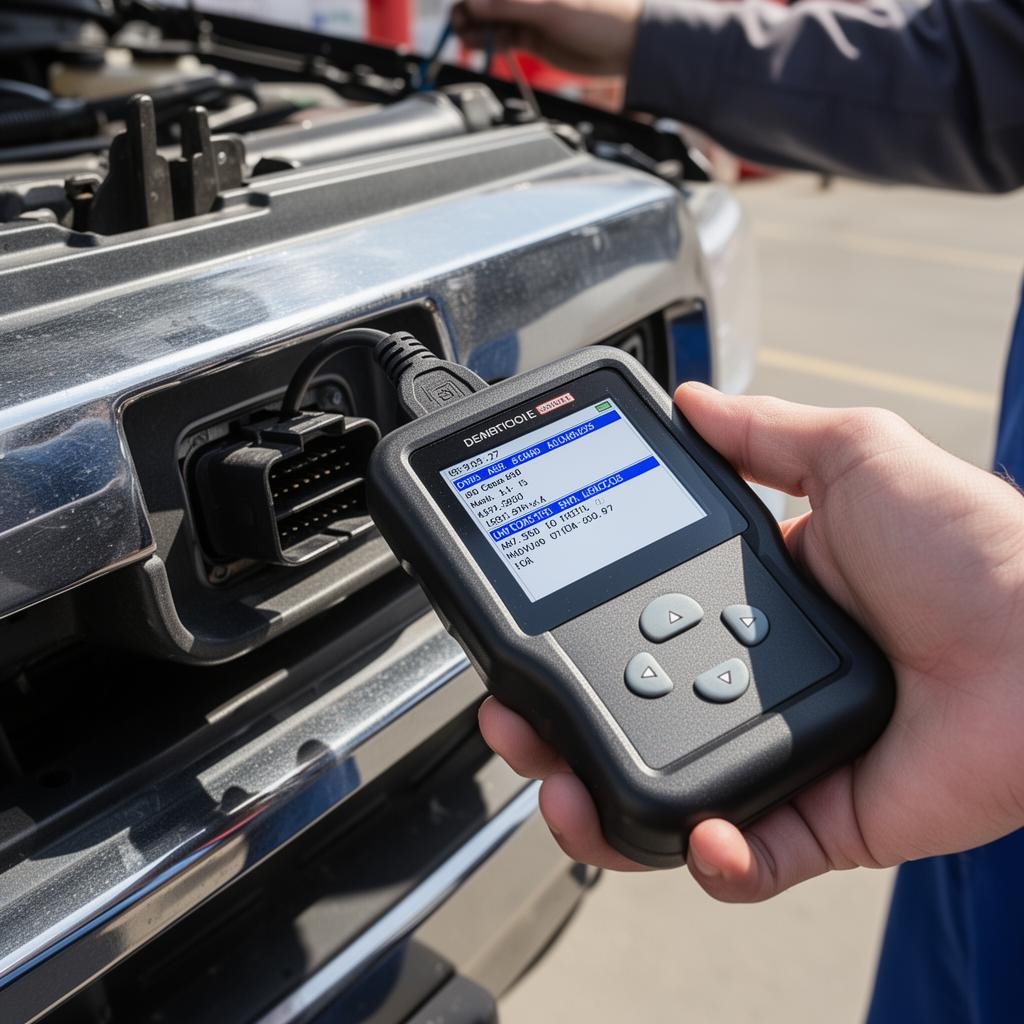
Why Car Batteries Die When Your Vehicle Sits Idle
Knowing how to keep car battery from dying when not in use is one of the most practical things a Hunter Valley driver can learn. In short: even a parked vehicle draws a small but constant current — and over days or weeks, that’s enough to fully discharge your battery and leave you stranded.
Modern vehicles are packed with electronics that never truly switch off. Your car’s alarm system, ECU (engine control unit), clock, and keyless entry module all draw what’s known as “parasitic drain” — a slow trickle of current that quietly flattens your battery when you’re not driving regularly.
Hunter Valley’s climate adds another layer of complexity. Hot summers accelerate battery self-discharge and cause electrolyte evaporation in older lead-acid batteries, while cold winter mornings in areas like Cessnock and Maitland put extra strain on a battery that’s already weakened from sitting idle.
How Long Before a Car Battery Goes Flat?
Most standard 12V car batteries will begin to noticeably discharge after about two weeks without use. After four weeks, many batteries — especially older ones — will be too flat to start the engine reliably.
The exact timeframe depends on your battery’s age, its cold cranking amps (CCA) rating, and how many electronic systems your vehicle runs on standby. A newer battery in good condition might last six weeks; one that’s already a few years old might struggle after ten days.
If your vehicle is stored for seasonal reasons — think a weekend 4WD, a classic car, or a caravan tow vehicle that only comes out for holidays — this is particularly relevant to you.
Practical Ways to Keep a Car Battery from Dying When Not in Use
The good news is that most of these solutions are straightforward and affordable. Here’s what Hunter Valley motorists can do right now:
- Use a battery maintainer (trickle charger): A quality smart charger or battery maintainer plugs into a standard power point and keeps your battery at full charge without overcharging it. This is the single most effective solution for vehicles stored at home.
- Disconnect the negative terminal: If you don’t have a maintainer, disconnecting the negative (earth) terminal eliminates parasitic drain entirely. Just be aware this may reset your radio presets and some ECU settings.
- Drive it regularly: Even a 20–30 minute drive once a week allows your alternator to fully recharge the battery. Short trips around the block don’t cut it — the alternator needs sustained running time.
- Install a battery isolator switch: These are especially popular with 4WD and dual-battery setups in the Hunter Valley. A master isolator switch cuts all current draw when the vehicle is parked for extended periods.
- Park in a garage or shade: Reducing heat exposure slows self-discharge and protects battery chemistry, particularly for AGM (absorbent glass mat) and gel batteries.
- Remove aftermarket accessories: Dashcams, USB chargers, and aftermarket alarm systems left plugged in can significantly increase parasitic drain. Unplug them when the vehicle is stored.
Choosing the Right Battery Maintainer for Hunter Valley Conditions
Not all battery chargers are created equal. A basic trickle charger delivers a constant current regardless of battery state, which can actually damage a fully charged battery over time. A smart charger or battery maintainer, on the other hand, monitors the battery’s state of charge and adjusts output automatically.
Look for a unit that’s compatible with your battery type — whether that’s a standard flooded lead-acid, AGM, or lithium (LiFePO4) battery. Many modern vehicles, including popular utes and SUVs common throughout the Hunter Valley, now come factory-fitted with AGM batteries that require a charger specifically rated for AGM chemistry.
For guidance on safe electrical work around your vehicle, it’s worth being aware of Australian standards around automotive electrical systems. You can find relevant information through the Australian Government’s Department of Energy and your state’s transport authority.
Signs Your Battery May Already Be Damaged
Sometimes a battery that’s been left flat too long can’t be fully recovered, even with a quality charger. Watch for these warning signs:
- The engine cranks slowly or struggles to turn over, even after charging.
- Your battery warning light appears on the dashboard.
- The battery repeatedly goes flat within a day or two of charging.
- You notice corrosion or swelling around the battery terminals or casing.
A battery that’s been deeply discharged multiple times has likely suffered sulphation — a build-up of lead sulphate crystals on the battery plates that permanently reduces capacity. At this point, replacement is usually the most cost-effective path forward.
Understanding auto electrical systems and battery health can save you significant money and inconvenience in the long run.
When to Call a Professional
Some battery issues go beyond what a maintainer or a terminal disconnect can fix. If you’re experiencing persistent flat batteries, unusual electrical behaviour, or you suspect a parasitic drain fault in your vehicle’s wiring, it’s time to get a qualified auto electrician involved.
A parasitic drain test requires specialised equipment to measure current draw across each fuse circuit — it’s not a DIY job for most drivers. Similarly, if you’re looking to upgrade to a dual-battery system for touring or work purposes, professional installation ensures your setup complies with Australian wiring standards and doesn’t void your vehicle warranty.
The team at RAM Auto Electrical services Hunter Valley drivers across Cessnock, Maitland, Singleton, and the broader region. If your battery keeps going flat or you need a proper electrical inspection, give RAM Auto Electrical a call to book a diagnostic today.
Conclusion
Learning how to keep car battery from dying when not in use comes down to a few core habits: use a smart battery maintainer, drive regularly, reduce parasitic drain, and store your vehicle out of extreme heat where possible. These steps are practical, affordable, and genuinely effective for the conditions Hunter Valley drivers face year-round.
If your battery is already showing signs of damage, or if you suspect an underlying electrical fault, don’t wait until you’re stranded. Book a professional inspection with RAM Auto Electrical and get back on the road with confidence.
Frequently Asked Questions
How long can a car sit before the battery dies?
Most car batteries will begin to discharge noticeably after two weeks of inactivity and may be too flat to start the engine after four weeks. Older batteries or vehicles with high parasitic drain may go flat even sooner. Using a battery maintainer eliminates this risk entirely.
Is it safe to leave a trickle charger connected for months?
A smart battery maintainer (not a basic trickle charger) is designed to be left connected for extended periods. It monitors battery voltage and switches to a float or maintenance mode once fully charged, preventing overcharging. Always use a quality unit rated for your specific battery type — AGM, flooded, or lithium.
Does disconnecting the car battery damage modern vehicles?
Disconnecting the negative terminal is generally safe, but it will reset some electronic settings including radio presets, power window calibration, and occasionally idle settings on some ECUs. These typically recalibrate themselves after a short drive. If you’re unsure about your specific vehicle, consult your owner’s manual or an auto electrician.
What causes parasitic battery drain in a car?
Parasitic drain is caused by electrical components drawing current when the vehicle is off. Common culprits include alarm systems, the ECU, clocks, keyless entry modules, and aftermarket accessories like dashcams or USB chargers left plugged in. A faulty relay or wiring fault can also cause excessive drain and requires professional diagnosis to identify.