
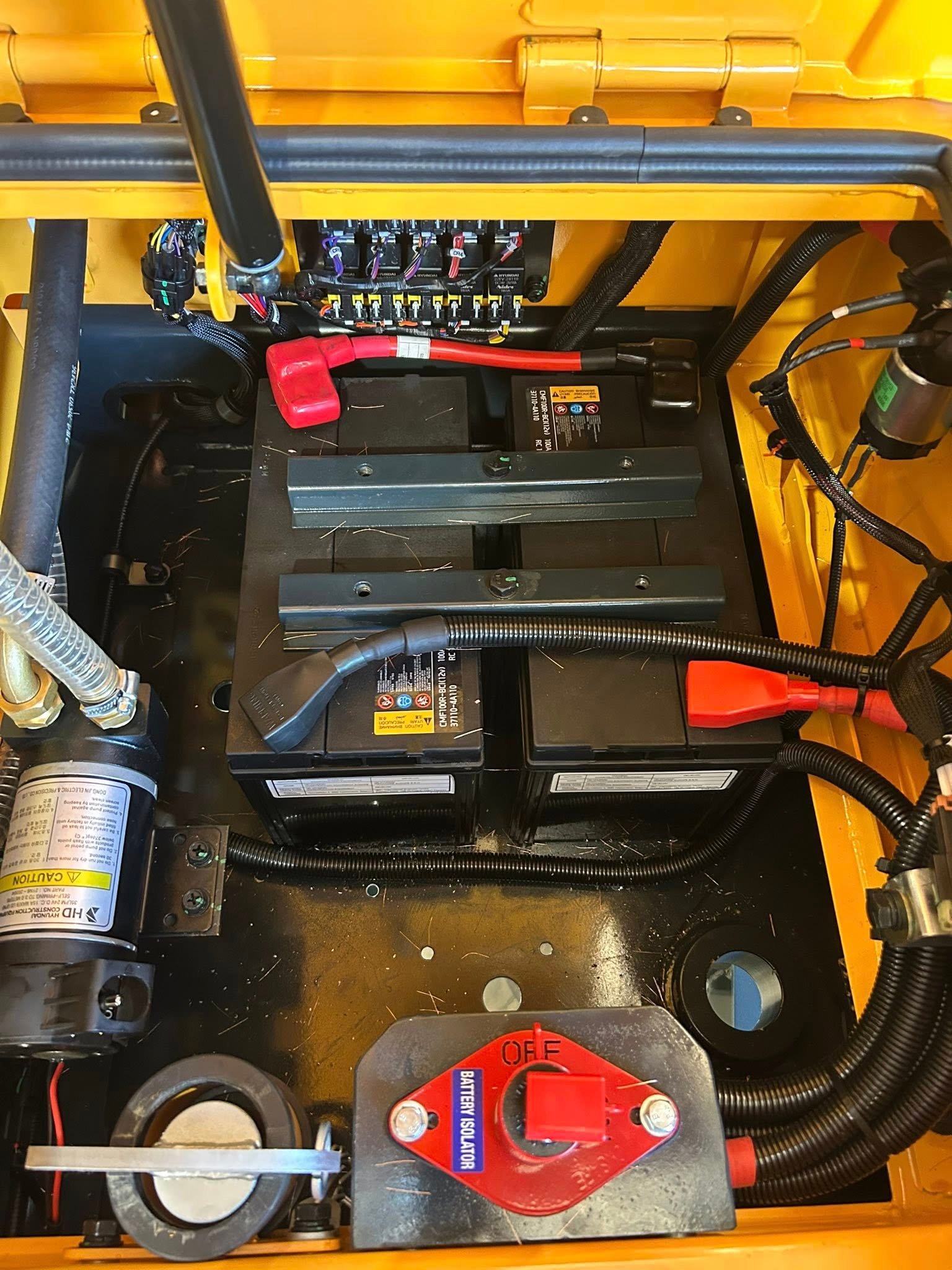
Can You Really Test Your Alternator at Home?
Knowing how to test alternator at home is a genuinely useful skill for any Hunter Valley driver. In short, yes — you can perform a reliable basic alternator check using a multimeter and a few minutes of your time, without any specialist equipment. This quick diagnostic can tell you whether your charging system is the culprit before you spend money on unnecessary repairs.
A failing alternator is one of the most common causes of unexpected breakdowns, flat batteries, and flickering dashboard lights. Getting ahead of the problem early can save you from being stranded on the New England Highway or a remote rural property.
Signs Your Alternator May Be Failing
Before you grab your multimeter, it helps to recognise the warning signs. Your vehicle is often telling you something is wrong well before it completely gives up.
- Battery warning light appearing on the dashboard
- Headlights dimming at idle or flickering while driving
- Electrical accessories (windows, radio, air conditioning) running slowly or cutting out
- A whining or grinding noise from under the bonnet
- Battery going flat repeatedly, even after a full recharge
- The smell of burning rubber or hot wiring near the engine bay
If you’re experiencing two or more of these symptoms together, there’s a strong chance your alternator or charging system is struggling. Hunter Valley residents who drive long distances between towns or rely on utes and work vehicles should take these signs especially seriously.
What You’ll Need Before You Start
Testing your alternator doesn’t require a workshop full of tools. You’ll need a digital multimeter — available from any automotive or hardware store for around $30–$60 — and basic knowledge of how to use it safely. Make sure your vehicle is parked on a flat surface, the engine is cool, and you’re working in a well-ventilated area away from fuel sources.
Wear safety glasses and avoid loose clothing near moving engine components. If your vehicle has a stop-start system or a smart charging alternator (common in newer European and hybrid vehicles), be aware that standard voltage readings may differ from conventional vehicles.
How to Test Alternator at Home: Step-by-Step
Follow these steps carefully to get an accurate reading of your alternator’s output and condition.
- Set your multimeter to DC voltage — Select the 20V DC range on your multimeter dial.
- Test the battery at rest — With the engine off, connect the red probe to the positive battery terminal and the black probe to the negative. A healthy battery should read between 12.4V and 12.7V.
- Start the engine — Keep the multimeter connected while someone starts the vehicle, or use alligator clip leads to hold the probes in place safely.
- Read the charging voltage — With the engine running at idle, a properly functioning alternator should produce between 13.8V and 14.8V. A reading below 13.5V suggests undercharging; above 15V indicates overcharging, which can damage your battery.
- Load test the system — Turn on the headlights, air conditioning, and rear demister simultaneously. The voltage should remain above 13.5V. If it drops significantly, your alternator is struggling under load.
- Rev the engine to 2,000 RPM — Ask a helper to hold the engine at 2,000 RPM while you observe the voltage. Output should remain stable within the 13.8V–14.8V range.
- Record your readings — Note down all results for reference when speaking to a technician if further investigation is needed.
This process gives you a solid picture of your alternator’s health. For more information on your vehicle’s electrical system, visit the RAM Auto Electrical website for local expert guidance.
Understanding Your Results
A voltage reading consistently in the 13.8V–14.8V range means your alternator is doing its job correctly. If you’re seeing readings outside this window, the issue could be the alternator itself, a worn drive belt, a faulty voltage regulator, or corroded battery terminals — all of which affect charging performance.
Corroded or loose battery terminals are surprisingly common in Hunter Valley’s climate, where summer heat and dusty conditions accelerate corrosion. Clean the terminals with a wire brush and a solution of bicarbonate of soda and water before retesting — sometimes this alone resolves a low voltage reading.
It’s also worth noting that Australian Standard AS/NZS 3000 (the Wiring Rules) governs electrical work on vehicles in a commercial context, so any wiring repairs beyond basic maintenance should be carried out by a licensed auto electrician.
When to Call a Professional
If your voltage readings are outside the normal range after cleaning the terminals and checking the drive belt, it’s time to get a professional diagnosis. Alternator replacement and charging system repairs involve working with high-current circuits, and incorrect repairs can cause serious damage to your vehicle’s ECU, battery management system, or wiring harness.
The team at RAM Auto Electrical services vehicles across the Hunter Valley region, including utes, 4WDs, farm machinery, and commercial vehicles. If you’re unsure about your results or want a thorough charging system inspection, contact RAM Auto Electrical to book a diagnostic appointment with a qualified auto electrician.
Conclusion
Learning how to test alternator at home is a practical skill that can save Hunter Valley drivers time, money, and the frustration of an unexpected breakdown. By using a simple multimeter, following the steps above, and understanding what healthy voltage readings look like, you can quickly identify whether your charging system needs attention.
Start with the basics — clean terminals, check the belt, and take your readings — before assuming the worst. And when the results point to a deeper issue, don’t hesitate to reach out to a trusted local auto electrician. Get in touch with RAM Auto Electrical today for expert advice and reliable service across the Hunter Valley.
Frequently Asked Questions
What voltage should my alternator produce when the engine is running?
A healthy alternator should produce between 13.8V and 14.8V DC with the engine running at idle. Readings below 13.5V suggest undercharging, while readings above 15V indicate overcharging — both of which can shorten your battery’s lifespan and cause electrical issues.
Can a bad alternator drain my battery overnight?
Yes. A faulty alternator with a failed diode can create a parasitic drain, drawing current from the battery even when the vehicle is switched off. If your battery keeps going flat overnight despite being in good condition, a failing alternator is one of the first things to investigate.
Is it safe to drive with a failing alternator in the Hunter Valley?
It’s not recommended. A failing alternator means your battery is not being recharged while driving. Depending on battery capacity, you may have as little as 30 minutes of driving time before the vehicle loses power entirely — which is particularly risky on rural roads or highways far from assistance.
Do I need a licensed auto electrician to replace an alternator in Australia?
In most cases, alternator replacement itself is not a licensed electrical task, but any work involving the vehicle’s wiring, charging circuits, or integrated electrical systems should be performed by a qualified auto electrician to ensure safety and compliance with Australian standards. Always check with a professional if you’re unsure.