
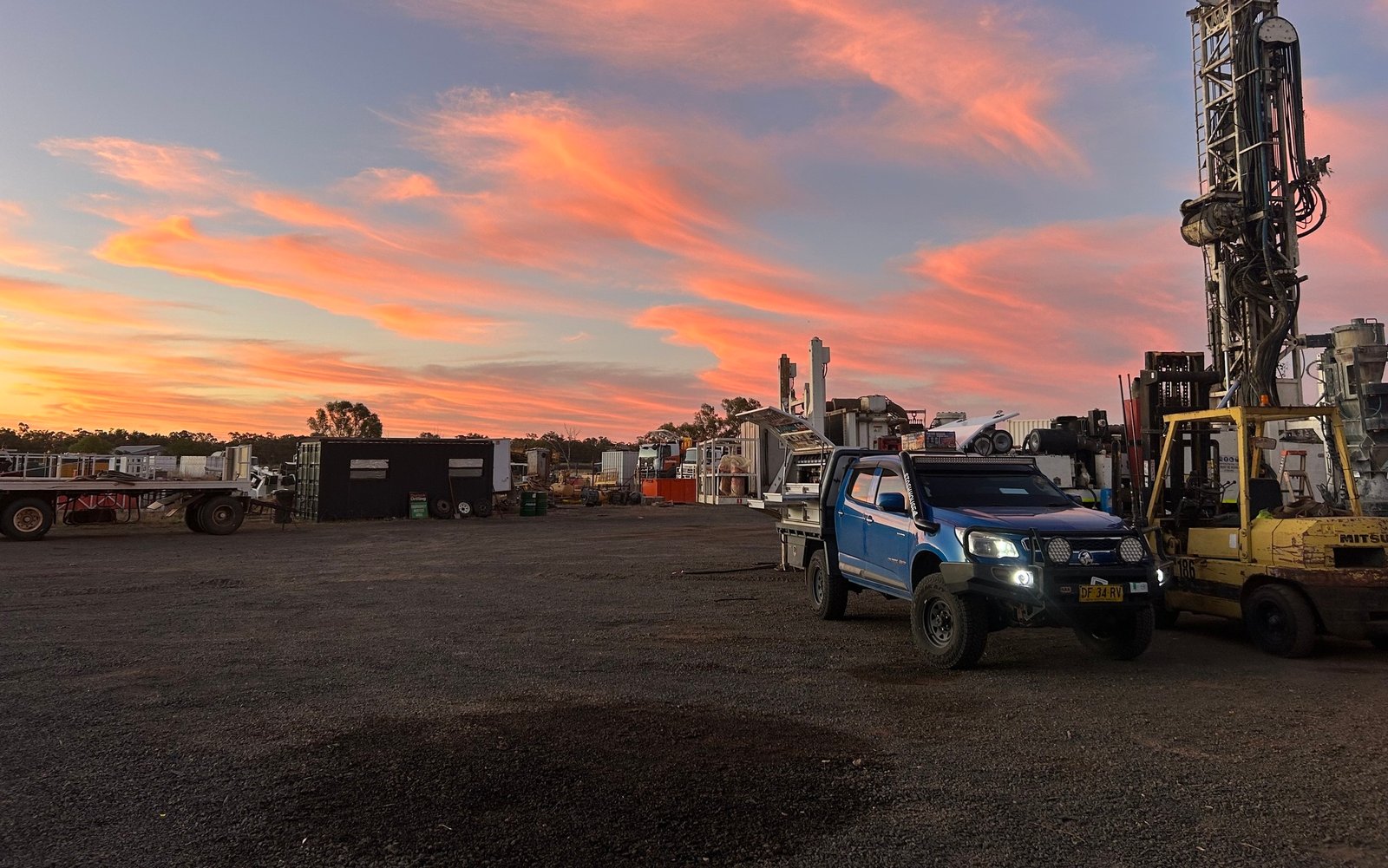
What to Do When Your Starter Motor Fails on Site
If your starter motor fails on a work site, stop attempting to start the machine immediately, secure the vehicle or equipment, check for obvious electrical faults, and contact a qualified auto electrician as soon as possible. Acting quickly and calmly prevents further damage and keeps your crew safe.
A starter motor failure on a Hunter Valley work site — whether you’re running excavators in the coalfields or managing a fleet of utes across an agricultural property — can grind your entire operation to a halt. Knowing the right steps to take in those first critical minutes makes all the difference between a minor delay and a costly breakdown.
Recognising the Signs of a Starter Motor Failure
Before you can respond effectively, you need to confirm you’re actually dealing with a starter motor problem. Many faults mimic each other, and misdiagnosing the issue can waste valuable time on site.
Common signs of starter motor failure include a clicking sound when you turn the key, a grinding noise during ignition, or complete silence when you attempt to start the engine. You might also notice the engine cranking slowly before refusing to turn over altogether.
It’s worth noting that a flat battery can produce similar symptoms. If your machine has been sitting overnight or in cold Hunter Valley winter conditions, rule out a discharged battery first before assuming the starter motor is at fault.
Immediate Steps to Take If Your Starter Motor Fails
Once you suspect a starter motor fault, follow these steps to manage the situation safely and efficiently:
- Stop trying to start the machine. Repeated ignition attempts can overheat the starter motor, damage the flywheel ring gear, or drain the battery completely.
- Secure the equipment. Apply the handbrake, chock the wheels if on a slope, and turn off all ancillary electrical loads to preserve battery voltage.
- Check the basics. Inspect battery terminals for corrosion or loose connections. A poor earth connection is a surprisingly common culprit that can be fixed on the spot.
- Check the solenoid. The starter solenoid is a separate component that can fail independently. Tap it gently with a rubber mallet — this is a known temporary fix that sometimes gets a machine running long enough to move it to a safe location.
- Document the fault. Note what the machine was doing before the failure, any unusual sounds, warning lights, or recent electrical work. This information helps your auto electrician diagnose the fault faster.
- Notify your site supervisor. Work health and safety obligations under Australian standards require that plant and equipment faults be reported promptly to avoid putting other workers at risk.
- Arrange qualified assistance. Contact a mobile auto electrician who specialises in heavy machinery and commercial vehicles — not just a general mechanic.
What Causes Starter Motors to Fail on Work Sites?
Heavy machinery used in mining, agriculture, and construction across the Hunter Valley faces conditions that accelerate starter motor wear. Dust, vibration, extreme heat, and high daily start cycles all take their toll on the solenoid contacts, armature windings, and brushes inside the unit.
Electrical overloading is another significant factor. If your machine’s charging system isn’t keeping up with demand — particularly if you’ve added aftermarket accessories — the starter motor works harder every time you fire up the engine. Over time, this thermal stress causes the internal components to degrade.
Poor maintenance of the battery and charging system is often the root cause. A weak battery forces the starter motor to draw excessive current, shortening its service life considerably. Regular electrical system inspections, ideally before each major work season, can catch these issues early.
Can You Temporarily Bypass a Failed Starter Motor?
There are a few temporary measures that experienced operators sometimes use, but these come with important caveats. Jump-starting from another vehicle may help if the issue is battery-related rather than a true starter motor fault. For older diesel machinery with manual transmissions, bump-starting is occasionally possible — but this is not appropriate for most modern equipment and carries safety risks on uneven terrain.
You should never attempt to hot-wire or bypass safety circuits on plant and equipment. Doing so may void warranties, breach your site’s safety management plan, and create serious electrical hazards. For professional auto electrical services in the Hunter Valley, always rely on a qualified tradesperson rather than improvised field repairs.
When to Call a Professional
If the starter motor has failed completely, is grinding against the ring gear, or if you’ve checked the battery and connections without finding an obvious fix, it’s time to call a qualified auto electrician. Attempting to rebuild or replace a starter motor without the proper tools and knowledge can result in incorrect fitment, further electrical damage, or a machine that still won’t start.
RAM Auto Electrical provides mobile auto electrical services across the Hunter Valley, coming directly to your work site to diagnose and repair starter motor faults on heavy machinery, commercial vehicles, and agricultural equipment. Getting a specialist to you quickly means less downtime and no costly towing. Contact RAM Auto Electrical to arrange an urgent callout — the sooner you call, the sooner your machine is back in service.
Conclusion
Knowing what to do if your starter motor fails is essential knowledge for anyone operating machinery in the Hunter Valley. Act fast, avoid repeated start attempts, secure your equipment, and check the simple things first — battery terminals, earth connections, and the solenoid. When those steps don’t resolve the issue, bring in a qualified auto electrician rather than risking further damage.
Preventive maintenance is always your best defence. Scheduling regular electrical system checks with RAM Auto Electrical before peak work seasons can help you avoid unexpected breakdowns when you can least afford them. Don’t wait for a failure — get your machinery inspected and keep your operation running smoothly through 2026 and beyond.
Frequently Asked Questions
How do I know if my starter motor has failed or if it’s just a flat battery?
A flat battery typically produces a rapid clicking sound or very slow cranking, and the machine may respond to a jump-start. A failed starter motor often produces a single loud click, a grinding noise, or complete silence even when the battery is fully charged. If jump-starting doesn’t help, the starter motor or solenoid is likely the culprit.
Is it safe to keep trying to start a machine if the starter motor is failing?
No. Repeatedly attempting to start a machine with a failing starter motor can overheat the unit, damage the flywheel ring gear, and fully discharge the battery. Limit your attempts to two or three short tries, then secure the machine and seek professional assistance.
How long does a starter motor replacement take on heavy machinery?
In most cases, a qualified auto electrician can replace a starter motor on a work site within one to three hours, depending on the accessibility of the unit and the availability of the correct replacement part. Mobile auto electricians who carry common parts for mining and agricultural machinery can often complete the job in a single visit.
Are there Australian standards that apply to electrical repairs on plant and equipment?
Yes. Electrical work on plant and equipment in Australia is governed by relevant state work health and safety legislation and Australian Standards including AS/NZS 3000 for wiring rules. In New South Wales, plant and equipment must be maintained in a safe condition under the Work Health and Safety Act 2011. Always use a licensed auto electrician for any electrical repairs on machinery used in a commercial or industrial setting.