
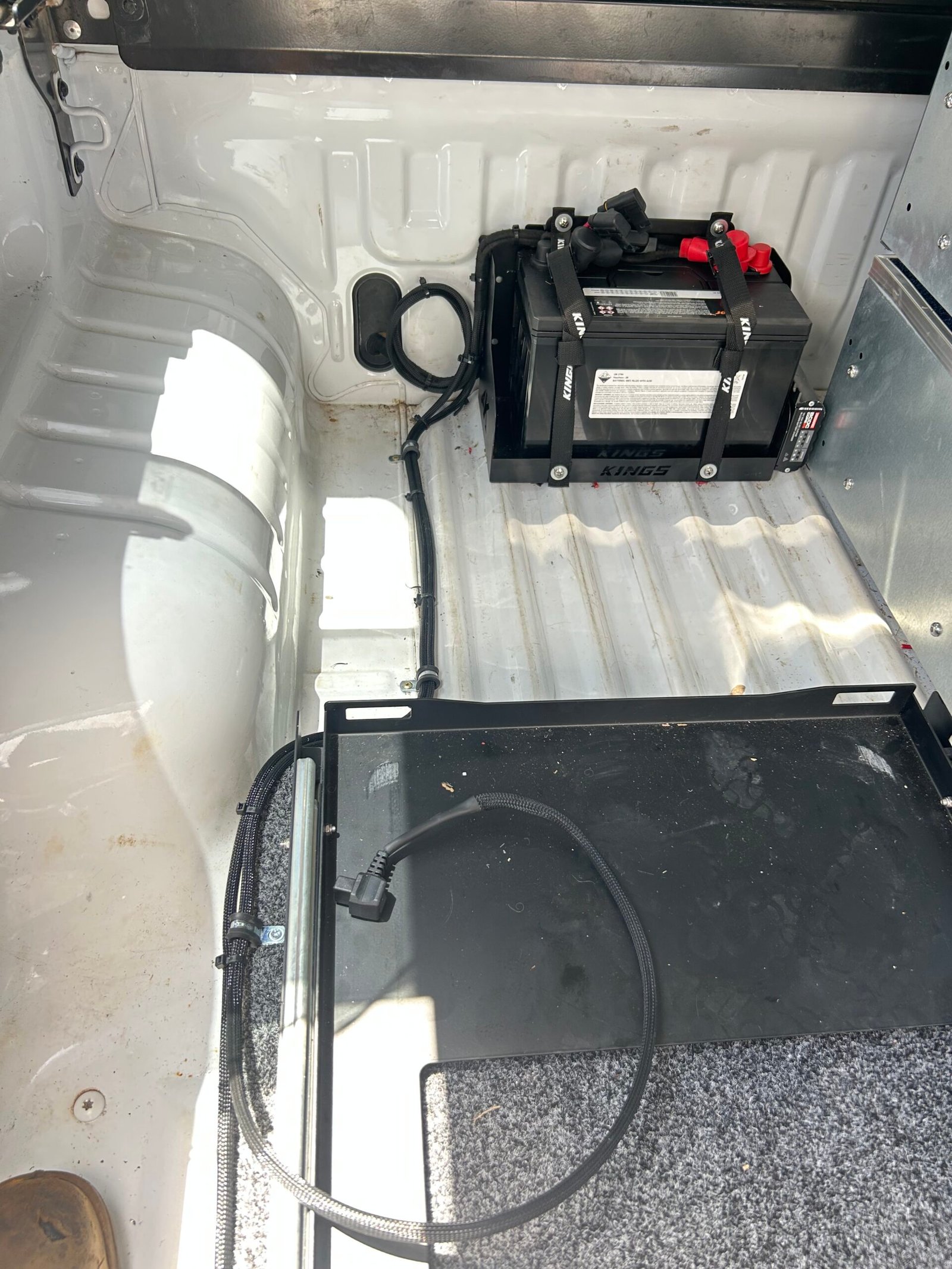
Your starter motor is responsible for turning your engine over when you start your vehicle. Signs Your Starter Motor Is Failing often include clicking noises, slow cranking, intermittent starting issues, or complete failure to start. Recognising these warning signs early can help prevent unexpected breakdowns and expensive repairs.
For many Australian drivers, starter problems appear at inconvenient times — before work, during a road trip, or when your vehicle is parked away from home. Understanding what causes starter motor issues and knowing when to seek assistance can keep your vehicle dependable.
Why Your Starter Motor Is Important
The starter motor is a powerful electrical component that uses energy from your vehicle’s battery to rotate the engine during ignition. Once the engine starts running, the starter disengages and allows the vehicle’s normal electrical and mechanical systems to take over.
Because the starter motor draws significant electrical current, it relies on several connected components working correctly, including:
- Battery condition and voltage output
- Starter solenoid operation
- Electrical connections and wiring
- Ignition switch signals
- Engine and charging system performance
A problem with any of these parts can create symptoms that may appear similar to a failed starter motor. A professional diagnosis helps identify the actual cause before replacing components unnecessarily.
Common Signs Your Starter Motor Is Failing
Knowing what to look for can help you address starter issues before your vehicle becomes completely immobile. Some common warning signs include:
Clicking Sounds When Turning the Key
A clicking sound when attempting to start your vehicle is one of the most recognised signs of a starter problem. You may hear a single click or repeated clicking while the engine fails to crank.
This can occur when the starter solenoid is not engaging correctly, when the starter motor is worn, or when insufficient electrical power reaches the system. However, a weak battery or poor electrical connection can sometimes create similar symptoms, so proper testing is important.
Slow Engine Cranking
If your engine takes longer than usual to start, your starter motor may be struggling to produce enough power. Slow cranking can indicate internal wear, electrical resistance, or problems with the starter assembly.
Many drivers ignore this issue because the vehicle still starts eventually. However, repeated strain on the starter motor can eventually lead to complete failure.
Intermittent Starting Problems
A vehicle that starts normally one day but struggles the next may have an early starter motor issue. Intermittent faults often become more frequent over time as internal components wear down.
You may notice that your vehicle starts after several attempts or works again after sitting for a short period. These inconsistent symptoms should not be ignored, as they often indicate a developing electrical fault.
Grinding or Unusual Noises During Startup
Grinding, whirring, or unusual mechanical sounds during starting can indicate problems with the starter gear engaging with the engine’s flywheel.
Continuing to operate the vehicle with these noises may increase the chance of further damage. A qualified auto electrician can inspect the starter system and determine whether repair or replacement is required.
Burning Smell or Electrical Smoke
A burning smell from the engine bay or visible smoke during starting attempts should always be treated seriously. Excessive electrical resistance, overheating components, or a starter motor that remains engaged can create these warning signs.
If you notice smoke, avoid repeated starting attempts and arrange an inspection as soon as possible.
What Causes Starter Motor Problems?
Starter motors are designed to handle repeated use, but several factors can shorten their lifespan. Common causes include:
- Normal wear and tear from frequent starting cycles
- Weak batteries causing additional strain
- Corroded battery terminals or electrical connections
- Damaged starter solenoids
- Oil contamination from engine leaks
- Faulty wiring or electrical connections
Australian driving conditions can also contribute to component wear. Heat, dust, short-distance driving, and frequent stop-start traffic can place additional stress on vehicle electrical systems.
How Starter Motor Problems Are Diagnosed
When your vehicle experiences starting issues, a technician will usually inspect multiple parts rather than immediately replacing the starter motor.
A proper diagnostic process may include:
- Testing battery voltage and condition
- Checking battery terminals and cable connections
- Inspecting starter motor operation
- Testing electrical signals reaching the starter
- Assessing charging system performance
This approach helps confirm whether the issue comes from the starter motor itself or another related component.
At RAM Auto Electrical, diagnosing the underlying electrical fault is an important step in providing the right solution. Accurate testing helps avoid replacing parts that are still working correctly.
Can You Prevent Starter Motor Failure?
While starter motors eventually wear out, regular vehicle care can help extend their service life.
Simple maintenance steps include:
- Keeping battery terminals clean and secure
- Addressing battery issues early
- Avoiding unnecessary repeated starting attempts
- Having unusual starting behaviour checked promptly
- Following your vehicle manufacturer’s servicing recommendations
A small electrical issue can become a larger repair problem if ignored. Early attention can reduce downtime and help maintain reliable vehicle performance.
Understanding Australian Vehicle Electrical Safety
Automotive electrical repairs should always be carried out carefully because modern vehicles contain complex wiring systems and sensitive electronic components.
Qualified automotive electricians follow appropriate safety practices when diagnosing and repairing electrical faults. This is particularly important with newer vehicles that include advanced starting systems, electronic ignition controls, and integrated vehicle computers.
Professional testing ensures repairs are completed safely and correctly without creating additional electrical problems.
When to Call a Professional
If your vehicle is showing Signs Your Starter Motor Is Failing, it is best to arrange an inspection before the problem leaves you stranded. A starter issue may begin as an occasional inconvenience but can quickly become a complete starting failure.
RAM Auto Electrical provides professional automotive electrical diagnostics and starter motor solutions to help Australian drivers identify faults and restore reliable vehicle operation.
Whether your vehicle is making unusual starting noises, struggling to crank, or refusing to start altogether, getting expert assistance can save time and prevent unnecessary repairs.
Conclusion
Recognising Signs Your Starter Motor Is Failing gives you the opportunity to address problems before they become major breakdowns. Clicking sounds, slow cranking, inconsistent starting, and unusual electrical symptoms are all reasons to investigate your vehicle’s starting system.
Regular inspections and timely repairs can help maintain dependable performance and reduce the risk of unexpected vehicle issues. If you suspect your starter motor is developing a fault, contact RAM Auto Electrical for professional diagnosis and reliable automotive electrical support.
FAQ
What are the first signs of a failing starter motor?
The first warning signs often include clicking sounds, slow engine cranking, delayed starting, or occasional failure to start. These symptoms may appear before the starter motor stops working completely.
Can a bad battery look like a starter motor problem?
Yes. A weak battery, poor battery connections, or corrosion can create similar symptoms. Testing both the battery and starter system helps identify the correct cause.
How long does a starter motor usually last?
Starter motor lifespan varies depending on vehicle type, driving habits, climate conditions, and maintenance. Frequent short trips and repeated starting cycles can increase wear.
Can I drive with a failing starter motor?
A vehicle with a failing starter motor may continue working temporarily, but the issue can worsen without warning. Professional inspection is recommended to avoid being stranded.